

Insights & Capital Markets Intelligence
Stay informed with Brookmont's perspectives on real estate capital markets, lending trends, sponsor strategies, and project financing best practices.

HUD 221(d)(4) for Multifamily Construction: Who It Fits and How the Loan Is Sized in 2026
How HUD 221(d)(4) sizes a multifamily construction loan in 2026: the 87% LTC and 1.15x DSCR tests, the middle-income option, per-unit limits and the 0.25% MIP.
Read Article
Commercial Loan Covenants: DSCR Tests, Cash Sweeps and Cash Management Triggers
How DSCR and debt yield covenants work after closing, what starts a cash sweep or springing lockbox, how a sweep is cured, and the math on a $10M loan.
Read Article
What It Costs to Exit a Commercial Loan Early: Step-Down Prepayment, Open Periods and Sale Timing
How step-down prepayment premiums and open periods work, how to price an early payoff month by month, and when the sale date changes the bill.
Read Article
Non-Recourse Carve-Outs: What Triggers 'Bad Boy' Liability and Springing Full Recourse
How non-recourse carve-outs work: which acts make a sponsor liable for a lender's loss, which make the whole loan recourse, and a worked example.
Read Article
SBA 504 vs. 7(a) for Owner-Occupied Commercial Real Estate: A Requirements Reference
SBA 504 and 7(a) rules side by side for buying your own building: loan limits, contribution, occupancy, terms and fees, with a worked example.
Read Article
Debt Yield vs. DSCR vs. LTV: Which One Sizes Your Loan
How lenders run the LTV, DSCR and debt yield tests on one deal, why the lowest result sets your loan amount, and how to tell in advance which test binds.
Read Article
Construction Interest Reserve: How to Size It and Manage It
How a construction interest reserve works, how to size it with a monthly draw model, and what happens if it runs out before completion and lease-up.
Read Article
Gap Financing Options for Developers and Sponsors
Compare gap financing options for commercial real estate: mezzanine debt, preferred equity, gap loans and public programs, and how to match each to your capital stack.
Read Article
Stabilized vs In-Place NOI: What Lenders Underwrite
In-place NOI is what a property earns today; stabilized NOI is what it should earn after lease-up. See how each is built and how lenders size loans on them.
Read Article
Credit Union Commercial Loans: 5 Types, One NCUA Rule Sponsors Miss
Compare five credit union commercial loan types, terms, eligibility, collateral, and NCUA rules; learn how sponsor packaging can support approval.
Read Article
Sale Leaseback Financing: ASC 842 Traps for Owner Occupiers
Sale leaseback financing can free cash without moving a business, but ASC 842 terms and buyer underwriting shape the deal. Learn what owners should prepare.
Read Article
Absorption Underwriting for Sponsors: Find When Reserves Run Out
Stress test absorption scenarios, size the interest reserve, and find the leasing pace that could exhaust it before lenders review your financing.
Read Article
GP Catch Up: Model the Waterfall Formula Before Signing
See how GP catch up formulas set the carry tier, work through a numeric example, and use a modeling checklist to negotiate waterfall terms before signing.
Read Article
Lender Ready DSCR for Sponsors: Actual vs Underwritten and Packaging
Step by step DSCR calculation for CRE sponsors and developers, with actual vs underwritten tests, 50–100bp stress scenarios, and a lender ready packaging...
Read Article
Avoid Payment Shocks in CRE Financing: Choosing SOFR or Prime
SOFR is a daily secured repo rate; prime is a bank-posted rate that tracks the fed funds target. How each drives CRE loan payments, fallbacks and hedging.
Read Article
Packaging That Wins Middle Market CRE Financing for Sponsors
Execution first playbook for sponsors and developers to secure middle market CRE financing, with market signals, an underwriting checklist, realistic...
Read Article
Debt Service Reserve: Practitioner Checklist and Indenture Samples
Issuer-focused explainer on sizing and governing debt service reserves: the least-of sizing tests, sample indenture language, a practical checklist, and...
Read Article
6 Step Commercial Real Estate Underwriting Checklist for Sponsors
Sponsor focused underwriting: a six step lender ready process, key metrics (NOI, DSCR, LTV), and document tips, including rent roll, trailing 12 month...
Read Article
20% Federal Historic Credit Financing for U.S. Developers
A U.S.-focused financing playbook for developers to structure, bridge, and monetize the 20% federal historic tax credit—timelines, recapture risks, and...
Read Article
Stop 5% Rent Gaps: Rent Roll Underwriting for Lenders
Reconcile rent rolls to T12 and bank records, spot concessions and vacancy gaps, and build a lender ready Year 1 NOI with Brookmont's checklist.
Read Article
Equity Partners for Real Estate: Term Sheet Lines Sponsors Must Nail
A sponsor focused, negotiation-first checklist for real estate equity partners. Learn which term sheet lines to prioritize to protect control and returns.
Read Article
45–90 Day Commercial Loan Closing Timeline for Sponsors
Clear timelines for sponsors: bridge loans 2–4 weeks, bank loans 30–60 days, SBA and CMBS 60–120. Includes a task assigned checklist and advisor fast...
Read Article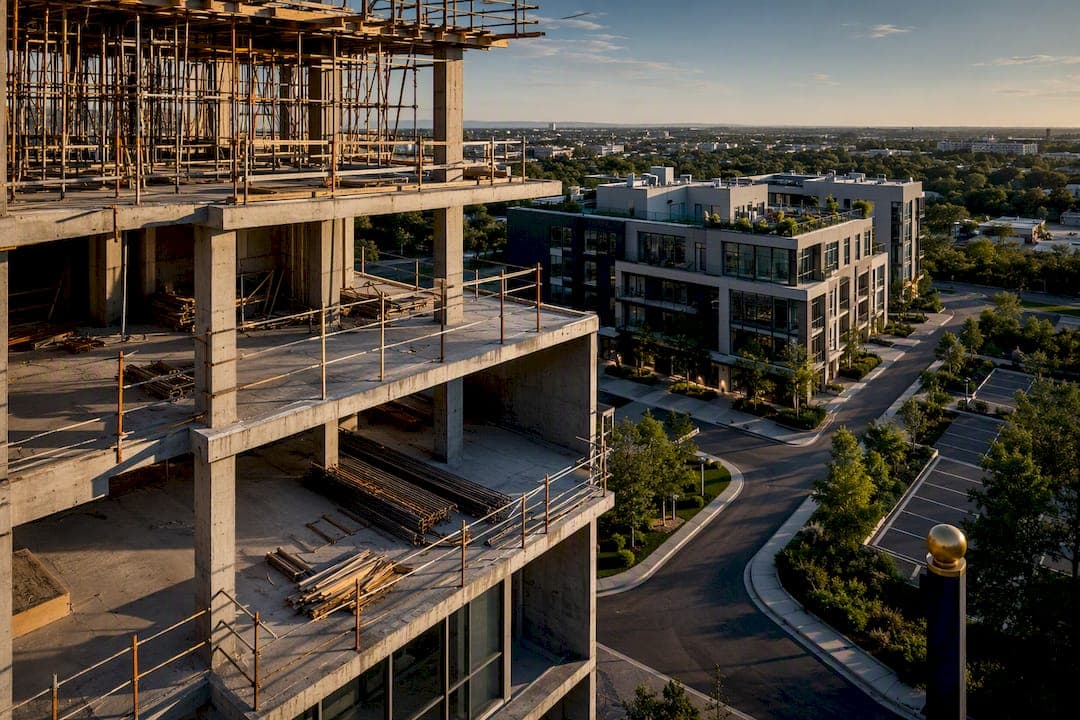
Return on Cost: Lender Checklist and a 7.0% Worked Example
See the exact inputs lenders check for return on cost, view a 7.0% worked example, and use a lender-ready checklist to package financing that closes.
Read Article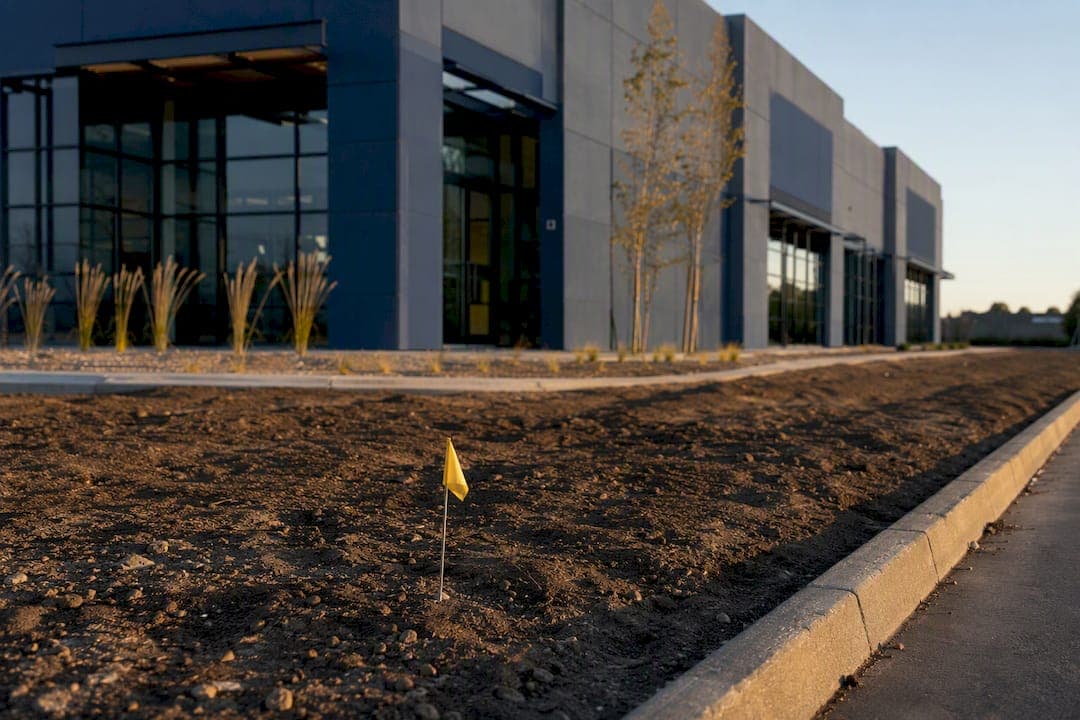
30–40 Year Rule: Ground Lease Financing for Developers and Lenders
Lender focused checklist that turns Model Ground Lease Criteria into lease protections, closing docs and pre close tasks for developers.
Read Article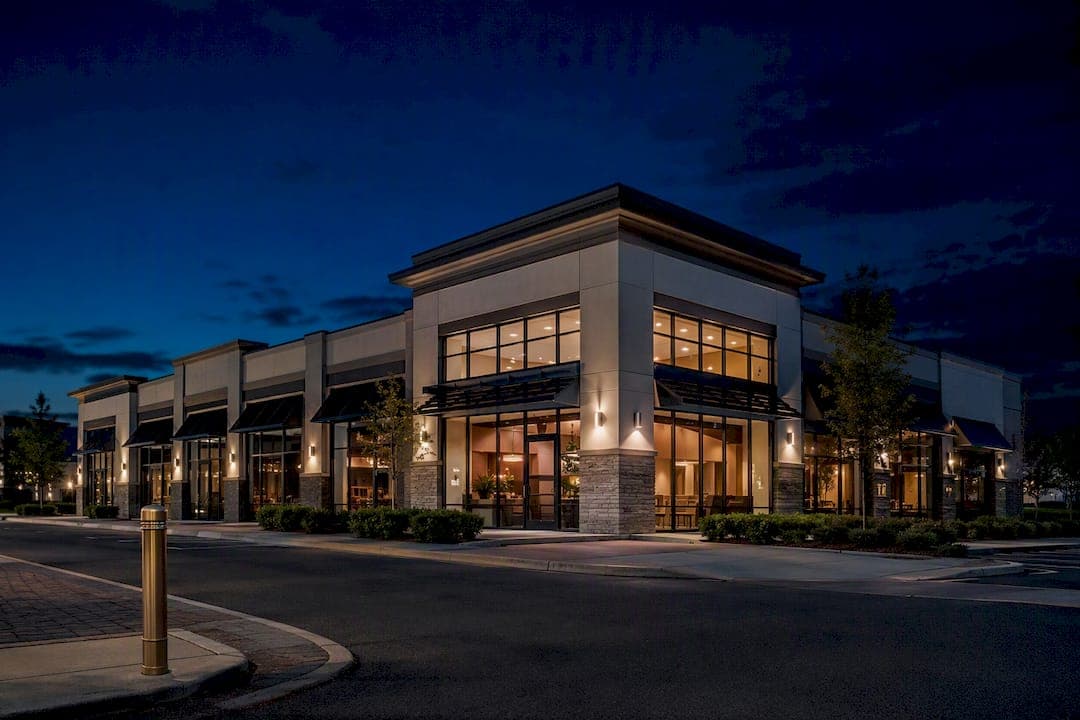
Pre-Underwrite Debt Yield and Lease Risk for CMBS Sponsors
A lender-focused CMBS pre-underwriting checklist for CRE sponsors: prioritize debt yield, lease rollover, SPE setup, reserves, and documentation to avoid...
Read Article
Tight Breakeven Occupancy: Lender Tests and Financing for Sponsors
Breakeven occupancy formula with a worked 85% example, how lenders read the vacancy cushion against DSCR, three stress-test tiers, and levers that lower it.
Read Article
U.S. SNDA Playbook: Protect Leases, Preserve Loan Underwriting
Practical U.S. SNDA playbook for tenants, landlords, and lenders. Learn which clauses matter, negotiation steps, and Brookmont Capital's underwriting view...
Read Article
4 Tests That Decide Value: Highest and Best Use for Sponsors & Lenders
Practitioner playbook on Highest and Best Use: run the four sequential tests, model residual land value, and align sponsor pro formas with lender...
Read Article
9 Term Sheet Lines Sponsors Must Nail for Joint Venture Equity
A deal-room playbook for sponsors and institutional LPs: 9 term-sheet items that shape waterfall, governance, and negotiation leverage to protect cash and...
Read Article
Leasehold Mortgage Financing: 4 Protections Lenders Insist On
A lender-and-lawyer primer on leasehold mortgage financing that explains the four contract protections lenders require, underwriting checks, and...
Read Article
CRE Sponsors: 3 Lender Term Sheet Lines to Check Before You Sign
A practical checklist for commercial real estate sponsors: inspect three term sheet items that decide rate, leverage, and guaranty. Includes an annotated...
Read Article
What Is a Condo Inventory Loan and Why Sponsors Use One
Condo inventory loans refinance a maturing construction loan on unsold units: 12–24 month terms, 60–70% of bulk sellout value and release prices.
Read Article
Can You Assume a CMBS Loan? Rules, Costs, and Timing
CMBS loan assumption: the servicer, rating agency and CCR approval chain, a 90–120 day timeline, a fee near 1% plus legal costs, and required documents.
Read Article
Yield Maintenance vs Defeasance: What CRE Borrowers Should Know
Yield maintenance vs defeasance: how each prepayment penalty is calculated, the 30–45 day defeasance process, when it costs less, and a $15M loan example.
Read Article
How Lenders Evaluate Sponsor Guarantees Before Closing
How lenders evaluate sponsor guarantees: guarantor capacity, legal authority and cap language, six guaranty types, diligence documents and negotiation points.
Read Article
Equity Co-Investment Structures for Sponsors: A Negotiation Guide
Equity co-investment structures for sponsors: JV vs. preferred equity, 5–15% operator equity, 8–9% prefs, promote tiers and a term-sheet checklist.
Read Article
Construction Loan Holdbacks Explained: A Sponsor's Guide
What a holdback is in construction loans: how retainage is held and released, a worked example of 10% on a $1.8M loan, draw documents and how to negotiate.
Read Article
Single Purpose Entity Requirements: The Lender's Checklist
Single purpose entity requirements lenders check: purpose clause, separateness, independent director, lockbox and DACAs, plus a 21–30 day closing checklist.
Read Article
Real Estate Fund Structure Types for Sponsors
Real estate fund structure types by capital stack layer: senior debt, mezzanine, preferred equity, JV equity and CMBS, with a DSCR stress test and 3 scenarios.
Read Article
Construction Escrow Accounts: What Contractors Need to Know
How a construction escrow account works: who manages it, draw package documents, 7–21 day draw processing, fee types, clauses to negotiate and a checklist.
Read Article
Rent Stabilized Property Loans: An Investor's Guide
How lenders underwrite rent stabilized property loans: DSCR and LTV benchmarks, bridge, DSCR and CMBS options, a checklist and a worked DSCR example.
Read Article
The Role of Survey in Real Estate Lending: A Lender's Guide
The role of a survey in real estate lending: ALTA/NSPS vs boundary surveys, title endorsements, which loans need one, common problems and checklists.
Read Article
How Lenders Evaluate Exit Strategy for Bridge Loans
How lenders evaluate a bridge loan exit strategy: accepted exit types, probability, timing and sufficiency tests, 10–15% value stress tests and proof documents.
Read Article
The Role of a Debt Broker in Syndication: A Sponsor's Guide
What a debt broker does in debt syndication: how the role differs from the arranger, fee types, a 4-phase timeline, deliverables and questions to ask.
Read Article
Rate Lock on a Commercial Construction Loan: Developer's Guide
How a rate lock works on a commercial construction loan: lock types, points and extension fees, when to lock or float, and a $5M lock vs float worked example.
Read Article
How to Qualify for Construction Financing in 2026
How to qualify for construction financing: sponsor track record, 65–70% LTC, 1.25x stressed DSCR, yield-on-cost vs exit cap, loan package and decline fixes.
Read Article
Capital Raise Timeline Checklist for CRE Sponsors
A phase-by-phase capital raise checklist for real estate sponsors: teaser, deck, financial model, data room, investor list and term sheets, by week and owner.
Read Article
Development Project Financing Milestones: A Developer's Guide
What lenders verify before releasing each tranche of milestone-based development or bridge financing: conditions precedent, monitor sign-off, lien waivers, CO.
Read Article
Best Construction Loan Lenders 2026: Developer's Guide
Compare construction lender types for 2026: portfolio banks, debt funds, life companies, SBA and credit unions, by loan size, speed, draw terms and recourse.
Read Article
Commercial Loan Extension: What CRE Borrowers Need to Know
What a commercial loan extension changes, when lenders approve one, how it differs from forbearance, how to request one, and options if it is denied.
Read Article
Negotiate Commercial Loan Terms: A Developer's Playbook
How to negotiate commercial loan terms: which provisions to push first, a 3–5 lender RFP, sample redlines for guaranty and prepayment, and a 9–15 week timeline.
Read Article
Role of Appraisal in Construction Lending Explained
How construction lenders size loans off as-completed value, and the options when the appraisal comes in short: more equity, scope cuts, a review, a new lender.
Read Article
Why Lenders Require Feasibility Studies: A Developer's Guide
Why lenders require feasibility studies: the five analysis pillars, what triggers one, what underwriters reject, typical costs and timelines, and a checklist.
Read Article
Capital Stack Types in Commercial Real Estate: A Sponsor's Guide
The commercial real estate capital stack layer by layer: senior debt, mezzanine, preferred and common equity, a $10M worked waterfall and a review checklist.
Read Article
How to Prepare a Loan Package for Institutional Lenders
How to prepare a loan package for institutional lenders: the documents to include, from executive summary to rent roll, T-12 and REO schedule, in 10 steps.
Read Article
How Construction Loan Sizing Works: 2026 Guide
How construction loan sizing works: LTC vs. LTV and which binds, the debt yield test, contingency and interest reserve sizing, and LTC by project phase.
Read Article
Build-to-Rent Financing Explained for US Investors in 2026
How build-to-rent financing works: construction loans at 70–85% LTC, DSCR permanent loans, one-time-close options, the 90% occupancy test and timeline.
Read Article
Spec Construction Financing: What Builders Must Know in 2026
Spec construction financing explained: 12–18 month interest-only terms, loan-to-cost sizing, draw schedules, required documents and key risks for builders.
Read Article
Land Acquisition Financing Strategies: 2026 Expert Guide
Land acquisition financing compared: bank loans, SBA 504/7(a), hard money, seller financing and equity partners, with a $200,000 parcel scenario and checklist.
Read Article
Reduce Construction Financing Costs: 2026 Builder's Guide
Ways to reduce construction financing costs: compare all-in lender pricing, use single-close construction-to-perm loans, time draws and control soft costs.
Read Article
Top pacificcommercialcap.com Alternatives for CRE Financing
13 pacificcommercialcap.com alternatives compared by service type, coverage and best fit, from debt advisory and appraisal firms to distressed CRE advisors.
Read Article
Top 3 Primrosecp.com Alternative Agencies 2026
Three primrosecp.com alternatives compared: Brookmont Capital Ventures, Black Bear Capital Partners and HKS Real Estate Advisors, with pros, cons and best fit.
Read Article
Agency Financing for Multifamily: 2026 Investor Guide
Agency multifamily loans from Fannie Mae and Freddie Mac: up to 80% LTV, 30-year amortization, non-recourse terms, the 90% occupancy rule and borrower minimums.
Read Article
How Lenders Assess Multifamily Syndications in 2026
How lenders assess multifamily syndications: 1.25x DSCR and 80% LTV limits, liquidity of 10% of the loan across GPs, tiered reserves and market factors.
Read Article
Acquisition Financing in Real Estate: 2026 Investor Guide
Acquisition financing in real estate compared: bank, bridge, hard money, DSCR, seller and equity options, closing timelines and the 1.25x DSCR test.
Read Article
Top 3 Crexi.com Alternatives to Streamline 2026
Three Crexi.com alternatives for CRE debt and equity: Brookmont Capital Ventures, Walker & Dunlop and Meridian Capital Group, compared on fit and limits.
Read Article
Hard Money vs Institutional Construction Loans: 2026 Guide
Hard money vs institutional construction loans: closing timelines, loan terms, draw schedules, 5–10% retainage, interest reserves and how the exit decides.
Read Article
How DSCR Loans Are Underwritten: 2026 Investor Guide
How DSCR loans are underwritten: the rent-to-PITIA math, why lenders use the lower of Form 1007 or lease rent, credit score tiers, LTV limits and reserves.
Read Article
Development Financing Sources Checklist for Developers
A development financing sources checklist: seven capital types, the documents lenders request, 20% and 15% GDV profit tests and a 10% contingency rule.
Read Article
DSCR vs Conventional Loan Syndication: 2026 Guide
DSCR vs conventional loan syndication: cash flow vs. income qualification, the 10-property Fannie Mae cap, LLC ownership, closing speed and down payments.
Read Article
Predevelopment Costs and Lender Requirements: 2026 Guide
Predevelopment costs lenders expect you to fund, and what they require: proof of equity, 15–20% profit on GDV, 2–3 contractor bids and 1.25x DSCR.
Read Article
How Lenders Underwrite Mixed Use Projects: A Developer's Guide
How lenders underwrite mixed-use projects: residential at 1.25x DSCR, haircuts on commercial income, why the weakest component sets leverage, and pitfalls.
Read Article
Common Construction Financing Mistakes to Avoid in 2026
Avoid common construction financing mistakes in 2026. Learn key strategies to protect your project’s timeline and budget accuracy.
Read Article
Bridge Loan Acquisition Syndication Guide for Investors
Bridge loan acquisition syndication: lead arranger and bookrunner roles, sources and uses, the commitment, term sheet and fee letters, and a 7-step process.
Read Article
Mezzanine Financing Examples for Real Estate Developers
Mezzanine financing example: a $25.25M mezz loan behind a $100.75M senior loan on a 233-unit condo project, plus common terms, PIK interest and ROI effects.
Read Article
How Syndicators Source Institutional Debt in 2026
How syndicators source institutional debt: a five-step process from diligence package to close, sponsored vs. non-sponsored deals and lender types by loan size.
Read Article
The Role of General Contractor in Financing Projects
The general contractor's role in project financing: draws and retainage, a 13-week cash flow forecast, mobilization financing, factoring and working capital.
Read Article
Vertical Construction Financing: A Developer's 2026 Guide
Vertical construction financing explained: the draw process, construction-to-perm vs stand-alone loans, how it differs from bridge loans, and how to qualify.
Read Article
Types of Commercial Lenders Explained for Real Estate Pros
Seven types of commercial lenders compared: banks, credit unions, SBA, life companies, CMBS conduits, private bridge and fintech lenders, and how to choose.
Read Article
Construction Lender Underwriting Criteria: 2026 Guide
Construction lender underwriting criteria for 2026: 1.25x–1.30x DSCR, 65–70% LTC caps, 7% exit cap stress tests, sponsor scoring and required documents.
Read Article
Common Entitlement Financing Challenges for Developers
Entitlement financing challenges: zoning, CEQA review, community opposition, conditional approvals, lender conditions and milestone-based capital structures.
Read Article
Bridge Loan Benefits for Developers: 9 Key Advantages
Bridge loan benefits for developers: 12–28 day closings, flexible underwriting, predevelopment capital, interest structures, exits lenders accept and misuse.
Read Article
Horizontal Development Financing: What Developers Must Know
Horizontal development finance funds grading, roads and utilities before vertical work. What it covers, how draws tie to milestones, and how lot sales repay it.
Read Article
Why the Best Time to Secure Financing Is Before You Need It
Brookmont Managing Director Luisa Montenegro on why capital should be a growth strategy, not a last resort — how to prepare for underwriting and keep more options open by planning ahead.
Read Article
Bridge Loan to Permanent Financing: Your 2026 Guide
Bridge loan to permanent financing: triggers like 85% occupancy for 90 days and 1.20x DSCR, lender prerequisites, refinance timing, and one- vs. two-time close.
Read Article
CMBS vs Bank Loans: What Developers Must Know
CMBS vs bank loans for developers: securitization and servicing, defeasance costs, recourse, post-closing flexibility, project fit and application steps.
Read Article
How Lenders Assess Developer Liquidity in 2026
How lenders assess developer liquidity: AHIC 15% and 25% thresholds, stress tests for funding delays and cost overruns, guarantor review and documentation.
Read Article
Phased Construction Financing: A Developer's Guide
Phased construction financing explained: six drawdown stages from site prep to completion, interest savings vs lump-sum funding, and cross-phase risks.
Read Article
How Much Down Payment Do You Need for a Commercial Real Estate Loan?
A 2026 guide to commercial real estate down payments — ranges by loan type, the factors that move them up or down, LTV vs. LTC, and strategies to reduce the cash you bring to closing.
Read Article
Press Release: Brookmont Capital Ventures Launches Sponsor Support Services Division
Brookmont Capital Ventures announces a new Sponsor Support Services division delivering institutional-grade financial modeling, investor presentations, and fractional deal team support to commercial real estate sponsors nationwide.
Read Article
Can You Get a Commercial Loan Without a W-2 Job? Understanding Income Requirements for CRE Financing
Yes — you can finance commercial real estate without a W-2 job. Learn how DSCR, bank statement, stated income, and asset-based loan programs let self-employed borrowers and investors qualify on property income in 2026.
Read Article
What's the Difference Between Commercial and Residential Real Estate Loans?
A clear comparison of commercial and residential real estate loans — how lenders qualify each, down payments, terms, amortization, recourse, rates, and prepayment penalties in 2026.
Read Article
How Does Commercial Real Estate Financing Work? A Plain-English Guide for First-Time Borrowers
A plain-English guide to how commercial real estate financing works in 2026 — loan types, the capital stack, how lenders underwrite property income, key terms, and the financing process from submission to close.
Read Article
How to Get Started in Commercial Real Estate With No Experience: The Honest Guide Nobody Else Will Write
Most CRE guides sell fantasy. This one covers what it actually takes — the realistic timeline, the capital you need, the mistakes that destroy beginners, and the path that real operators follow from zero experience to first deal.
Read Article
Is Commercial Real Estate a Good Career Choice? An Honest Look from a CRE Advisory Firm
A working CRE capital markets advisor on whether commercial real estate is a good career: the income, the realities, the skills that matter, and how to break in.
Read Article
How to Underwrite a CRE Deal When Interest Rates Stay Higher for Longer: A Guide for $500K–5M Investors
The federal funds rate remains above 3.5% heading into mid-2026. Learn how to underwrite, stress-test, and structure deals that generate returns in a sustained higher-rate environment.
Read Article
Secondary Markets Are the New Primary Markets for Small-Balance CRE Investors in 2026
Capital is migrating from gateway cities to secondary and tertiary markets. Markets like Raleigh-Durham, Charlotte, Salt Lake City, and Columbus are offering stronger fundamentals, higher yields, and lower barriers to entry.
Read Article
The Multifamily Supply Cliff Is Here: Why the Next 18 Months Will Reward Patient CRE Investors
Multifamily deliveries are projected to fall 36% in 2026 to approximately 333,000 units — the lowest annual total since 2014. Learn why this supply contraction is creating the most favorable acquisition window in years.
Read Article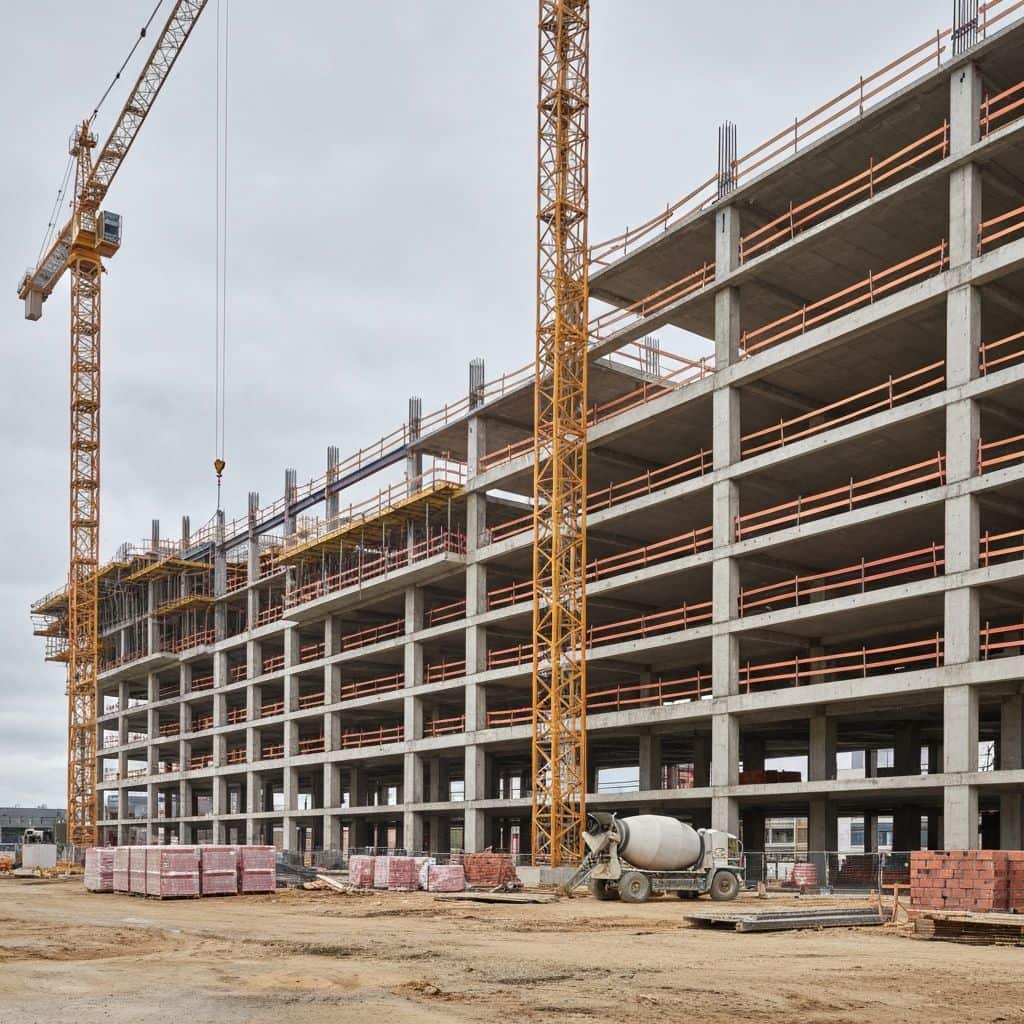
How Tariffs Are Reshaping CRE Development Economics in 2026: What $500K–5M Investors Need to Know Before Breaking Ground
Construction material costs have risen 6% since 2024 due to tariff policies, and total project costs are up 3%. Learn how tariffs are reshaping project feasibility, underwriting assumptions, and capital structuring for CRE investors.
Read Article
The Value-Add Multifamily Playbook for 2026: How $500K–5M Investors Are Creating Returns Through Operations, Not Speculation
Cap rate compression is over. In 2026, multifamily returns depend on operational execution — not market appreciation. Learn how CRE investors in the $500K–5M range are using value-add strategies to create real NOI growth in Class B and C apartment properties.
Read Article
Using 1031 Exchanges to Reposition Your CRE Portfolio in 2026: What $500K–5M Investors Should Know
1031 exchanges remain fully intact in 2026 and transaction volume is rising 20% year-over-year. Learn how CRE investors in the $500K–5M range can use tax-deferred exchanges to upgrade, diversify, and strategically reposition their portfolios.
Read Article
Rising Insurance Costs Are Quietly Killing CRE Deal Economics — What $500K–5M Investors Must Understand in 2026
Commercial real estate insurance premiums have surged 75% since 2019, now consuming 8% of apartment operating expenses. Learn how rising insurance costs are reshaping NOI, valuations, and deal economics for CRE investors.
Read Article
Distressed Multifamily Is Creating Generational Buying Opportunities — A Guide for CRE Investors in 2026
Distressed multifamily volume has surged to $22.8 billion as over-leveraged owners face the refinancing wall. Learn how CRE investors in the $500K–5M range can identify, underwrite, and acquire distressed apartment properties in 2026.
Read Article
How to Get Your CRE Deal Funded in 2026: What Lenders Actually Want to See From $500K–5M Sponsors
CRE lending is rising but underwriting is tighter than ever. Learn what banks, bridge lenders, and private credit providers actually look for in $500K–5M commercial real estate deals — and how to position your project to get funded.
Read Article
Private Credit Is Replacing Banks for Small-Balance CRE Deals — Here’s What Investors Need to Understand
Private credit lenders now lead CRE lending as banks pull back. Learn how debt funds, bridge lenders, and alternative capital sources are reshaping financing for $500K–5M commercial real estate deals in 2026.
Read Article
Why Experienced CRE Investors Are Pivoting to Build-to-Rent and Single-Family Rentals in 2026
Build-to-rent communities and single-family rentals are attracting experienced CRE investors in 2026. Learn why BTR and SFR strategies are gaining momentum in the Washington DC and DMV markets.
Read Article
How to Structure Your Capital Stack When Banks Pull Back
Banks are tightening CRE lending. Learn how commercial real estate investors with $500K–5M deals can structure creative capital stacks using mezzanine debt, preferred equity, and private credit.
Read Article
The 2026 CRE Refinancing Wall: What Investors With $500K–5M Projects Need to Know Now
Nearly $936B in commercial real estate loans mature in 2026. Learn how investors with $500K–5M projects can navigate the refinancing wall with smart capital strategies.
Read Article
Construction Loan Requirements: What Developers Need to Qualify
A practical guide to construction loan requirements, including borrower qualifications, equity, documentation, and how developers can improve approval odds.
Read Article
DSCR Loans for Investment Property: The Investor's Guide to Qualifying Without W-2s
How DSCR loans qualify investors based on property cash flow instead of personal income—plus requirements, pros/cons, and strategies to improve approval odds.
Read Article
Preferred Equity vs Mezzanine Debt: Choosing the Right Capital for Your Deal
A detailed comparison of preferred equity and mezzanine debt, including capital stack positioning, control implications, pricing, and when each structure makes sense.
Read Article
How to Finance a Value-Add Multifamily Deal: A Capital Strategy Guide
Financing strategies for value-add multifamily acquisitions, including bridge-to-permanent structures, lender expectations, and how to build the right capital stack.
Read Article
Brookmont Capital Ventures Launches Hawthorne Mason: BTR and SFR Investment Platform
January 2026 announcement, kept for the record. Updated October 2026: Hawthorne Mason now focuses on renovation and construction consulting in DC, Maryland, and Northern Virginia.
Read Article
Data Center Real Estate: How Digital Infrastructure Became the Best-Performing CRE Asset Class
Data centers have become the top-performing commercial real estate asset class. Learn why AI demand, sticky tenancy, and infrastructure barriers drive institutional capital.
Read ArticleInstitutional Real Estate Investment 2026: Why Capital Is Returning to CRE
Institutional investors are returning to commercial real estate in 2026 with disciplined capital allocation. Learn which asset classes are attracting pension funds and endowments.
Read ArticleBrookmont Capital Ventures Expands Commercial Real Estate Debt and Equity Advisory Services
Washington, DC-based advisory firm strengthens platform to guide sponsors and developers through challenging capital markets.
Read Article
Bridge Loans for Real Estate Investors: When Speed and Flexibility Matter Most
A bridge loan gives investors short-term capital to close fast, stabilize assets, and refinance into long-term debt. Here's how bridge loans work, when they make sense, and what to know before using one.
Read Article
Cash-Out Refinance for Commercial Real Estate: Unlock Equity Without Selling
How commercial cash-out refinances work, what lenders require, and when tapping equity makes sense—plus lender options, costs, and common pitfalls.
Read ArticleContent Disclaimer: All articles and insights are provided for educational and informational purposes only. Content does not constitute financial, legal, or investment advice. Readers should consult with qualified professionals before making any capital or investment decisions.
Stay Updated
Subscribe to receive Brookmont's latest insights, market updates, and capital markets intelligence delivered to your inbox.